
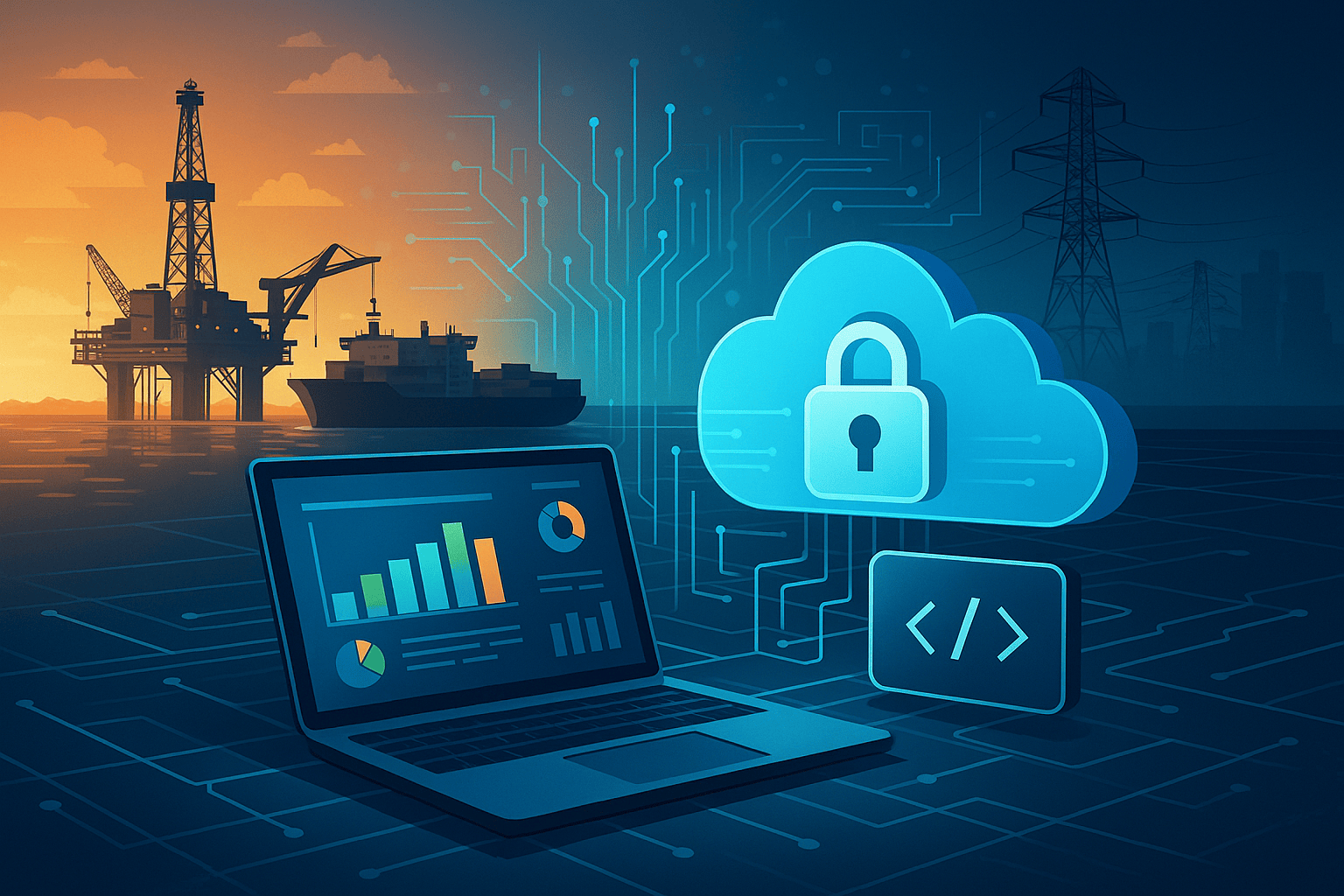
Commodity trading platforms are the backbone of global trade, yet many are under pressure from new regulations, data demands, and technological shifts. For CIOs, the challenge is not only keeping systems operational today but ensuring they remain relevant in the future.
Future-proofing starts with architecture. Platforms must be modular and cloud-native, able to scale with market volatility. .NET remains reliable for transaction-heavy workflows, while Python is essential for analytics and AI. Databricks and Snowflake enable unified data strategies, and Kubernetes provides the orchestration needed for resilience and agility in Azure or hybrid environments.
Another key factor is integration. Future-ready platforms must connect seamlessly with banks, brokers, and counterparties through secure APIs. They must also support automation, compliance reporting, and real-time analytics to meet evolving business needs.
The barrier is execution. Internal IT teams often lack the time and capacity to redesign platforms while managing daily trading operations. Staff augmentation provides the additional expertise needed. External engineers can design modern APIs, containerize legacy modules, and implement data governance frameworks. By blending internal knowledge with external specialists, CIOs can move faster and reduce risk.
Future-proofing is not about predicting every change but about building platforms flexible enough to adapt. With staff augmentation, CIOs gain the resources to design scalable, integrated, and resilient systems that can withstand both regulatory pressures and market demands.