
Posts tagged "legacy systems"

Why Commodity Trading Firms Still Rely on Legacy C# .NET Systems and How to Modernize

Many commodity trading firms still depend on legacy C# .NET systems that were built years ago. These platforms are deeply embedded in trading operations, handling everything from deal capture to settlements. Despite their age, they continue to run because of their reliability and the difficulty of replacing them.

However, reliance on legacy systems creates challenges. They are harder to integrate with modern platforms like Databricks and Snowflake, they limit the adoption of cloud-native approaches in Azure and Kubernetes, and they require scarce skills to maintain. As markets evolve, firms that remain locked into these systems risk falling behind competitors who can innovate more quickly.

Modernization does not always mean replacing everything at once. CIOs can begin by building APIs that extend the functionality of .NET applications, allowing them to connect with modern services. Python can be used for data processing and machine learning, while Databricks provides a scalable environment for analytics. Snowflake ensures governed storage and reporting, while Kubernetes manages containerized services alongside legacy systems.

Staff augmentation plays a key role in this process. External .NET engineers can stabilize legacy platforms, while specialists in Python, Databricks, and Snowflake build new layers of functionality. This blended approach allows firms to innovate without disrupting day-to-day trading operations.

The path forward is hybrid. Legacy .NET systems remain in place where they add value, while modernization layers bring new speed and flexibility. By leveraging staff augmentation, CIOs can modernize incrementally, reduce risks, and prepare their firms for a future where agility and scalability define success.
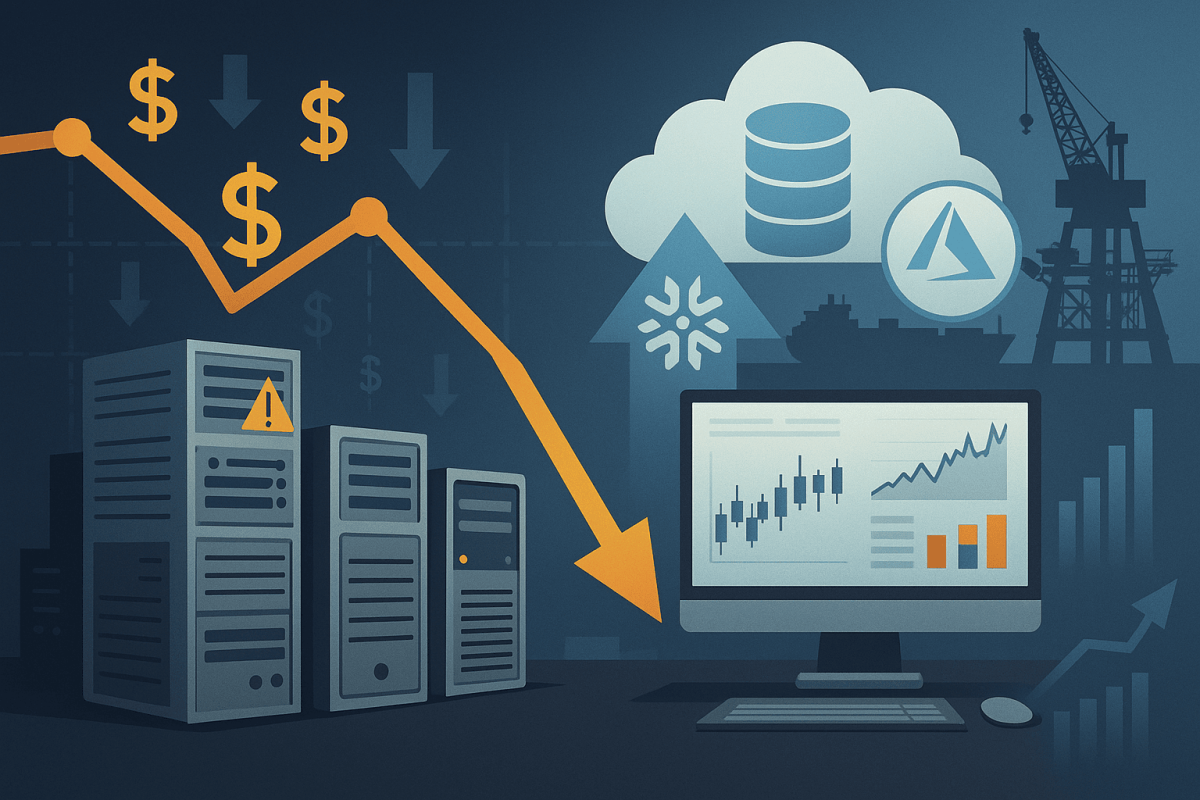
The Hidden Costs of Maintaining In-House Trading Platforms Without External Expertise

Many commodity trading firms still rely on custom-built trading platforms developed years ago. While these in-house systems may feel tailored to the firm’s operations, they carry hidden costs that often outweigh their benefits. For CIOs, understanding these costs is essential to deciding whether to continue maintaining legacy solutions or modernize with external help.

One major issue is talent scarcity. Platforms built in C# .NET or older frameworks often require specialized skills that are increasingly difficult to hire. Recruiting and retaining developers who can maintain outdated systems can be more expensive than the actual platform itself. At the same time, these systems are difficult to integrate with modern tools like Databricks, Snowflake, or Azure cloud services, slowing innovation.

Operational risks are another cost. Legacy systems are more prone to outages, security vulnerabilities, and compliance gaps. These risks directly impact traders’ ability to execute deals quickly and safely. Upgrading or re-platforming is often postponed due to the burden on internal IT teams already stretched thin with daily support and compliance reporting.

Staff augmentation provides a way forward. By bringing in external specialists skilled in both legacy technologies and modern platforms, CIOs can stabilize existing systems while gradually modernizing. Augmented teams can handle integration projects, migrate data to Snowflake, or build APIs that connect .NET systems to cloud-based analytics. This ensures innovation without putting trading operations at risk.

The true cost of in-house trading platforms is not just financial – it’s the opportunity cost of slow innovation. CIOs that augment their teams gain the agility to modernize while maintaining continuity, turning a liability into a competitive advantage.