
Posts by "Camelia"

Databricks vs. Snowflake: Which Platform Fits a Commodity Trading Data Strategy?

Data is the new competitive edge in commodity trading. CIOs and IT leaders are under pressure to unify siloed data, scale analytics, and improve forecasting accuracy. Two platforms dominate the conversation: Databricks and Snowflake. Both offer advanced capabilities, but they serve different purposes within a data strategy.

Databricks excels at processing large volumes of unstructured and streaming data. For commodity trading firms, this makes it ideal for handling IoT feeds from logistics, real-time market data, and AI model training. Its Python-first approach and tight integration with machine learning libraries empower data scientists to experiment and deploy models quickly.

Snowflake, on the other hand, is optimized for secure, governed analytics at scale. For CIOs focused on compliance, auditability, and delivering insights across trading desks, Snowflake is a natural fit. It integrates seamlessly with visualization tools and provides strong role-based access controls – critical in regulated markets.

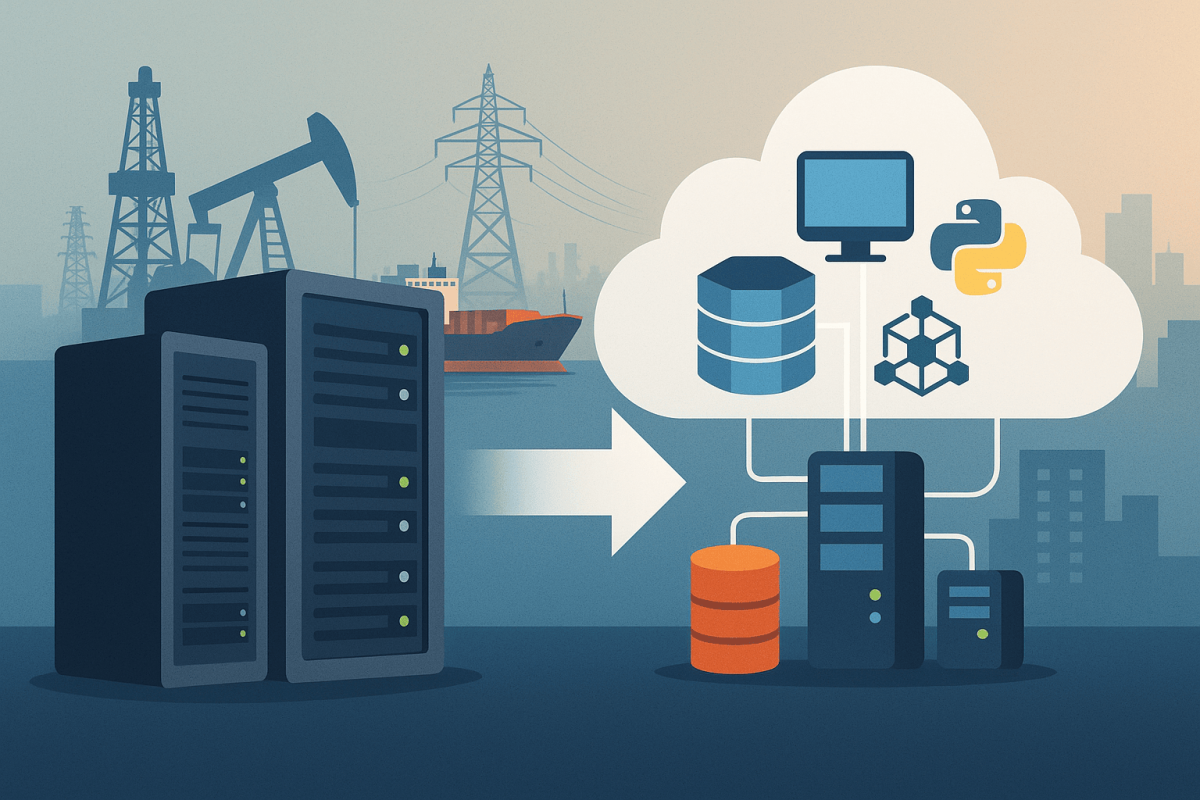
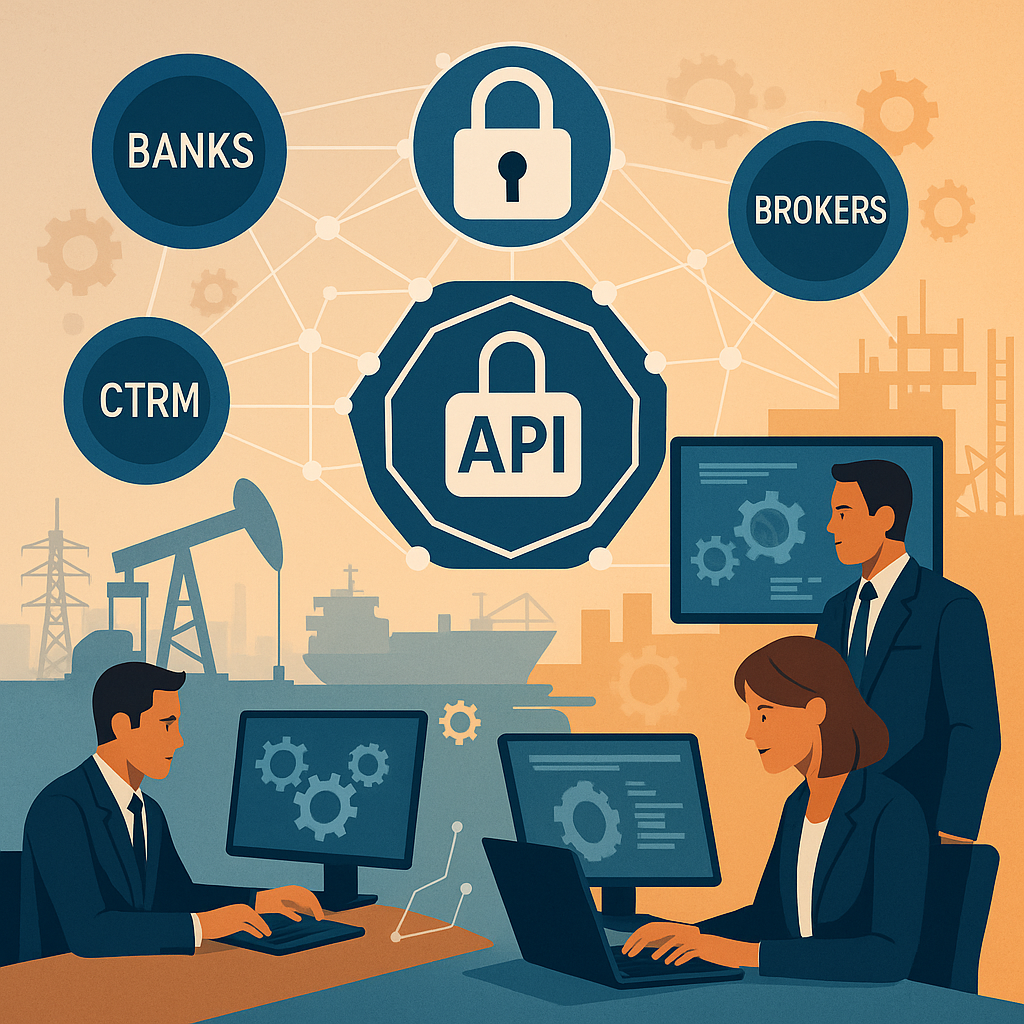
The reality for most trading firms is not Databricks or Snowflake, but both. Together, they provide an end-to-end data pipeline: Databricks for processing and AI-driven experimentation, Snowflake for storing, securing, and serving trusted analytics. The difficulty lies in integration – ensuring the platforms work seamlessly with CTRM/ETRM systems often built in C# .NET, while maintaining performance and compliance.

This is where staff augmentation pays off. External specialists experienced in Databricks workflows, Snowflake governance, and hybrid cloud deployments can accelerate integration. By augmenting teams with experts, CIOs avoid slowdowns, reduce risks, and deliver data-driven capabilities faster.

In commodity trading, the platform itself is not the differentiator – it’s how quickly firms can operationalize it. Staff augmentation ensures CIOs don’t just buy technology, but turn it into measurable advantage.

Emerging Trends in AI and Data for Commodity Trading CIOs in 2025

Introduction

Commodity trading has always been about timing, information, and risk. In 2025, CIOs and IT leaders face an environment where AI and data platforms are no longer experimental. They are central to competitiveness. Firms that can move from fragmented spreadsheets and legacy CTRM systems toward unified, data-driven decision-making will gain a decisive advantage.

The Shift Toward Unified Data Platforms

Commodity traders generate massive amounts of structured and unstructured data. Market feeds, shipping logistics, weather forecasts, ESG reports, and compliance data all flow into the IT stack. The challenge for CIOs is not just capturing this data, but organizing it in ways that are actionable.

Platforms like Databricks and Snowflake are emerging as the preferred backbones. They offer scalable data lakehouse and warehouse solutions that allow trading firms to consolidate information. This creates a single source of truth for analytics, risk, and reporting.

AI-Powered Market Intelligence

AI is moving beyond predictive price models. In 2025, CIOs are piloting machine learning for:

  • Risk management: Early detection of market anomalies and counterparty risk.

  • Trade surveillance: Automating compliance monitoring for suspicious patterns.

  • Natural language processing: Turning unstructured reports and news feeds into actionable insights.

Python has become the dominant language for prototyping these solutions. C# .NET, on the other hand, continues to anchor production-grade systems inside many trading firms. This creates a hybrid environment where CIOs must integrate fast-moving AI prototypes into mission-critical enterprise systems.

ESG and Regulatory Pressures

Another trend CIOs cannot ignore is the role of ESG and compliance data. Regulators in Europe and Asia are enforcing stricter rules on emissions reporting and sustainability disclosures. Trading firms are investing in data pipelines that capture ESG metrics at every stage of the supply chain. CIOs who can embed ESG reporting into their IT stack not only stay compliant but also position their firms as credible partners to investors and clients.

The Staff Augmentation Advantage

Most IT departments in trading companies already run lean. Building in-house teams for every new AI or data initiative is rarely possible. This is where staff augmentation provides a direct advantage. By tapping into specialized Python engineers, .NET developers, and Databricks or Snowflake experts, CIOs can:

  • Accelerate proof-of-concept development.

  • Scale up data engineering teams without long-term headcount commitments.

  • Bridge the gap between AI experimentation and production-ready deployment.

Conclusion

The CIO role in commodity trading is shifting from keeping the lights on to driving competitive advantage through AI and data. Emerging trends in 2025 make it clear that the firms who succeed will be those that unify their data platforms, embrace AI in risk and compliance, and respond quickly to regulatory changes. Staff augmentation is the practical way to bring in the right skills at the right time to make this vision a reality.